Essays
Explorations at the edge of the framework — where the map meets the territory.
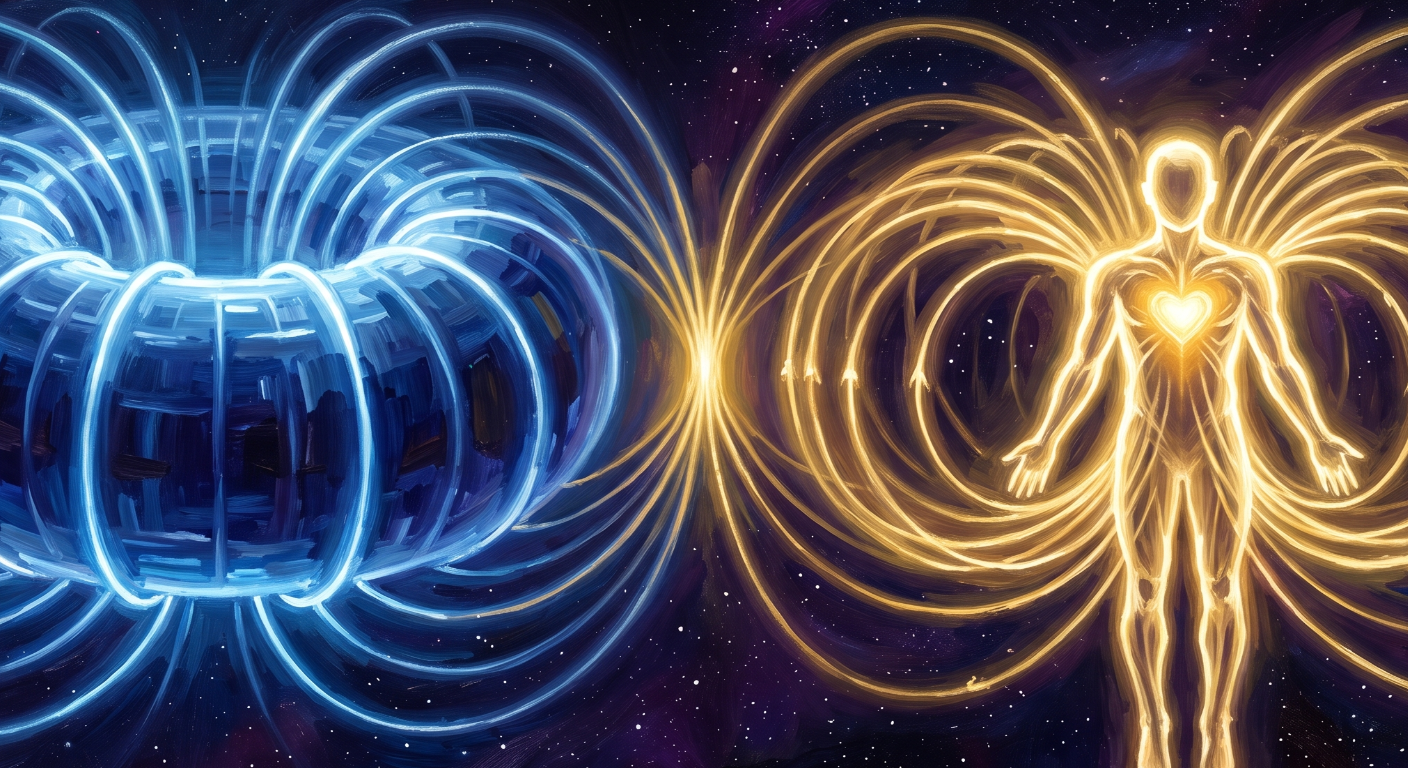
The Geometry of a Star. The Geometry of You.
The most complex machine in human history is built around a torus. So is your heart. That is not a coincidence.
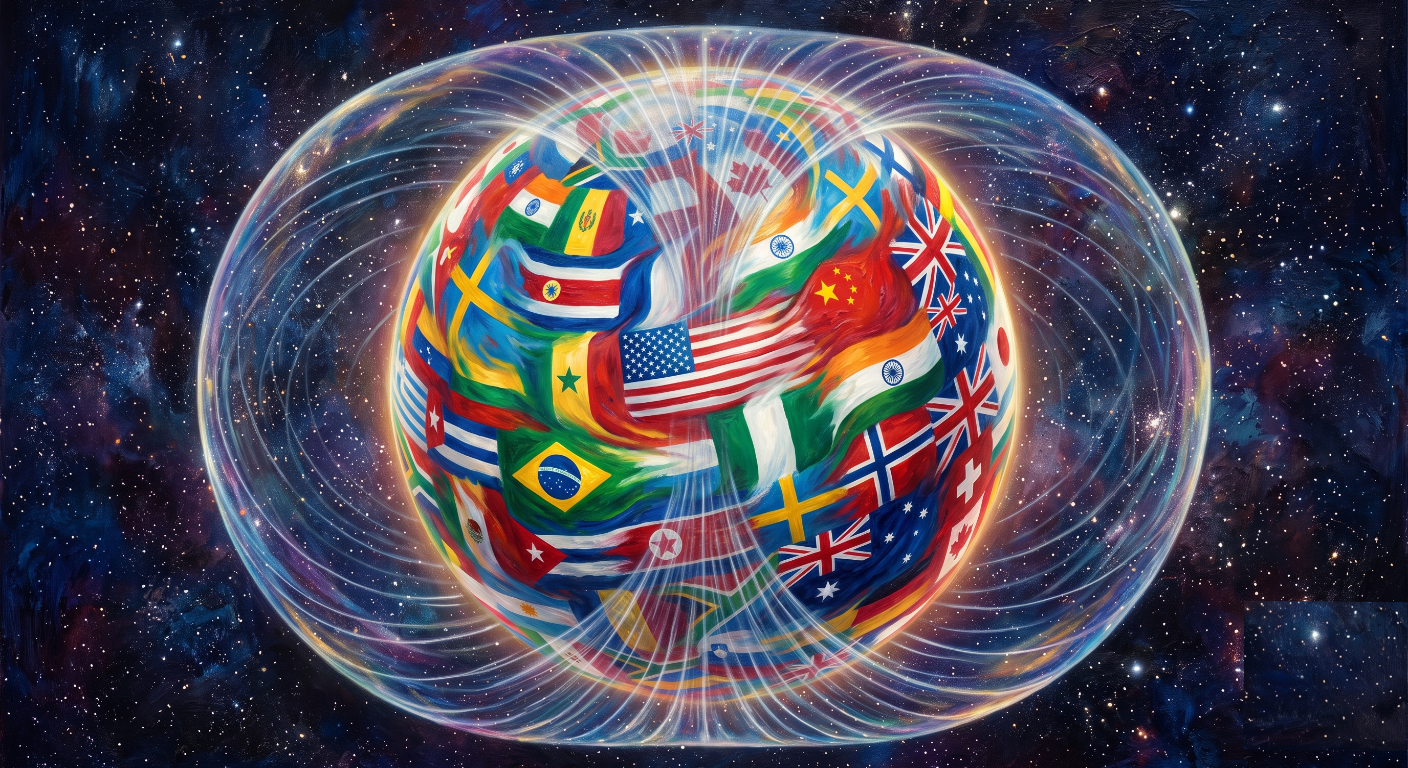
Participation Changes Reality. The World Cup Is Proving It.
The perception did not change because someone argued the case. It changed because participation made argument unnecessary.
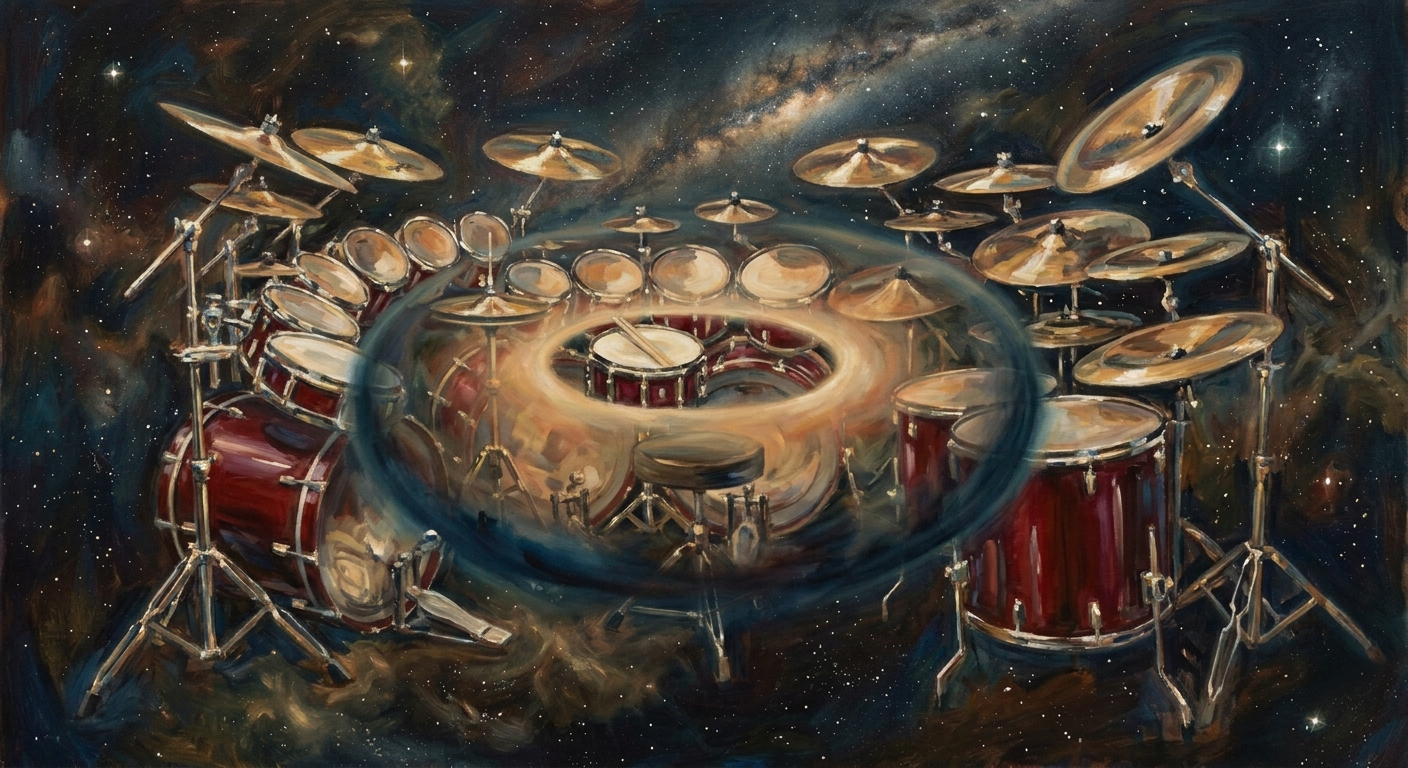
What Rush Was Always Mapping — And What Anika Nilles Already Means
Neil Peart mapped human experience through rhythm for five decades. Now the Fifty Something Tour begins June 7th without him — and why that is already a success has everything to do with what Rush actually was.
The Difference Between Realism and Contraction
Most people have been told to think positive when facing difficulty. Something in them recoils. That instinct is philosophically sound — and it's pointing at a distinction most frameworks never offer: the difference between seeing clearly and seeing from a contracted field.
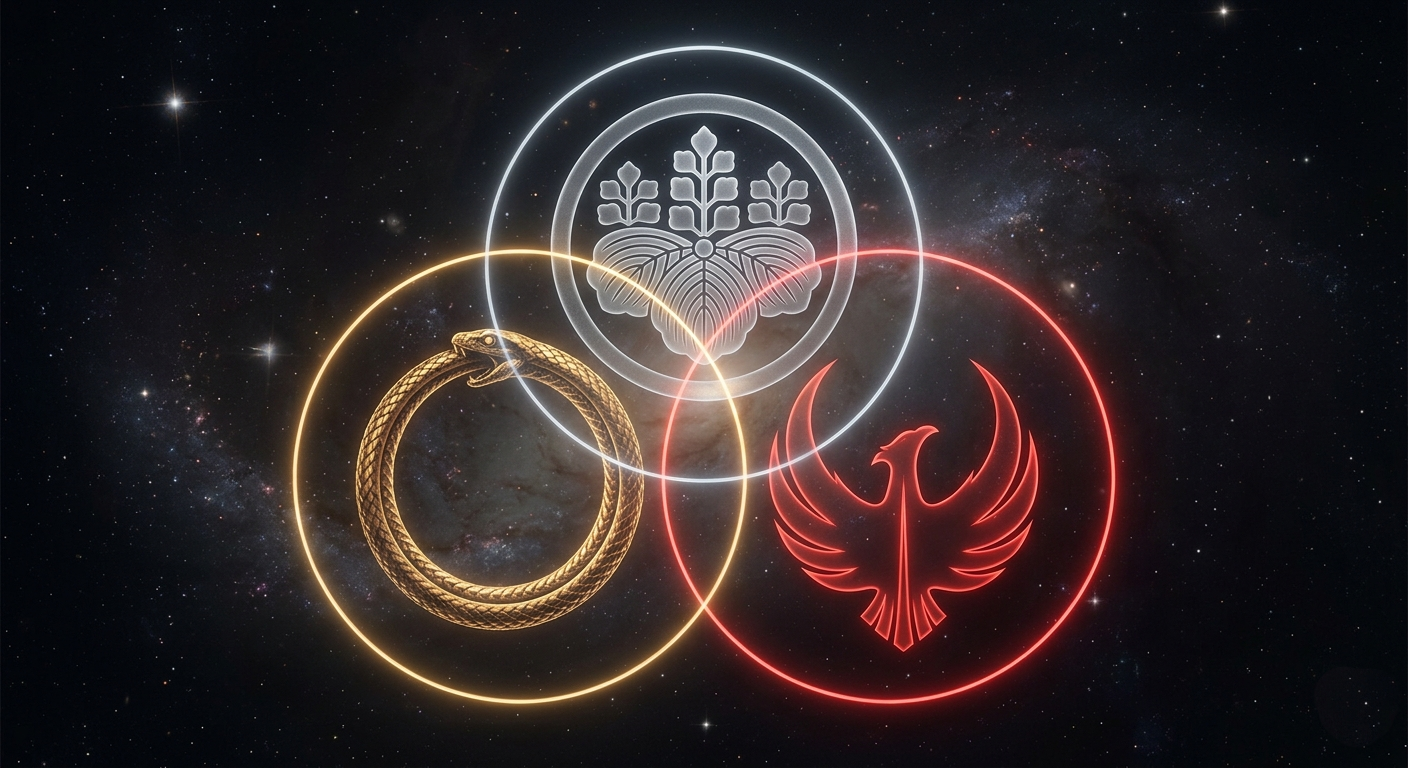
The Structure Beneath the Hero's Journey
Two filmmakers and a mythologist separated by culture and era kept arriving at the same story. Kurosawa felt it. Campbell named it. Lucas proved it could move the world. The question none of them fully answered was why.
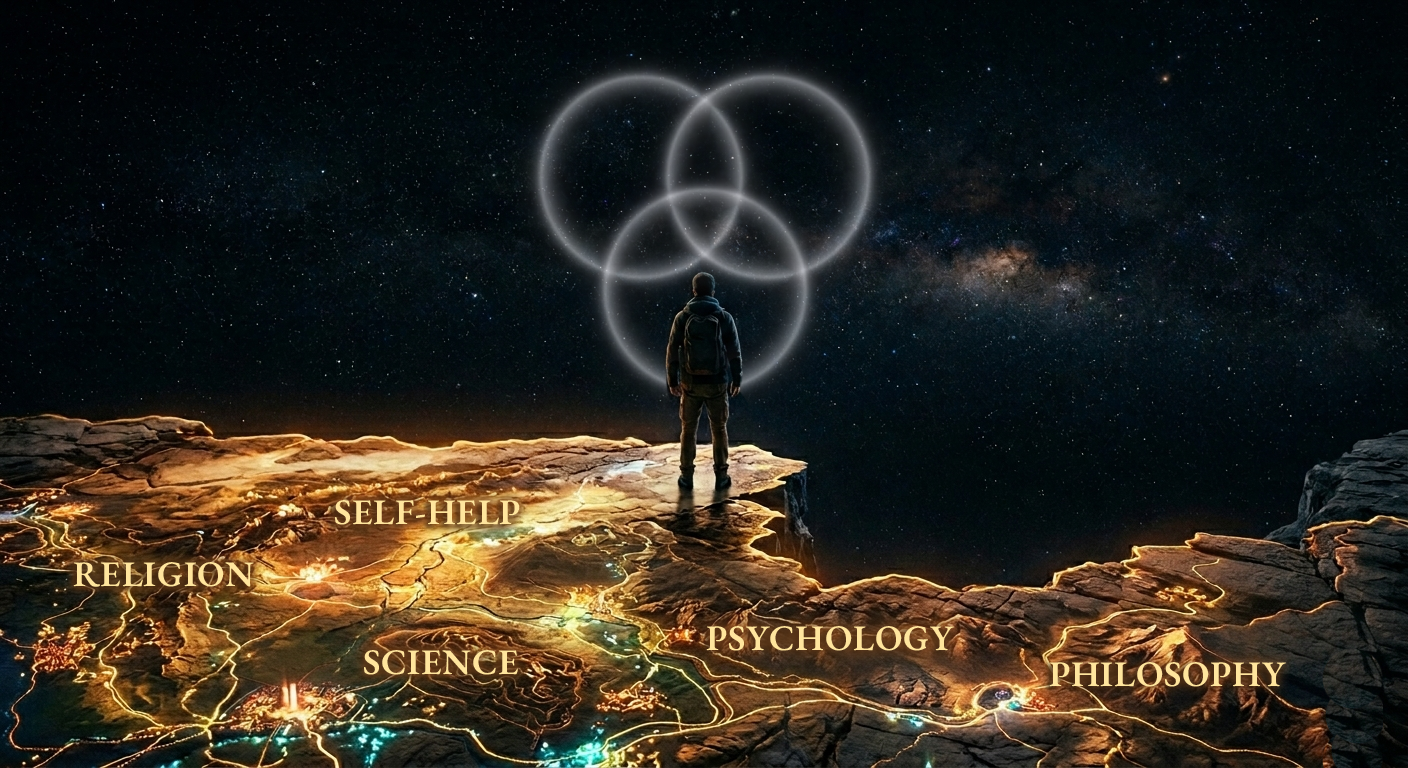
The Map Is Not the Territory
Most maps of reality run out exactly where the most important questions begin. We all inherit maps — religion, science, self-help — and most of them don't tell you where they end. A first encounter with Participatory Realism.
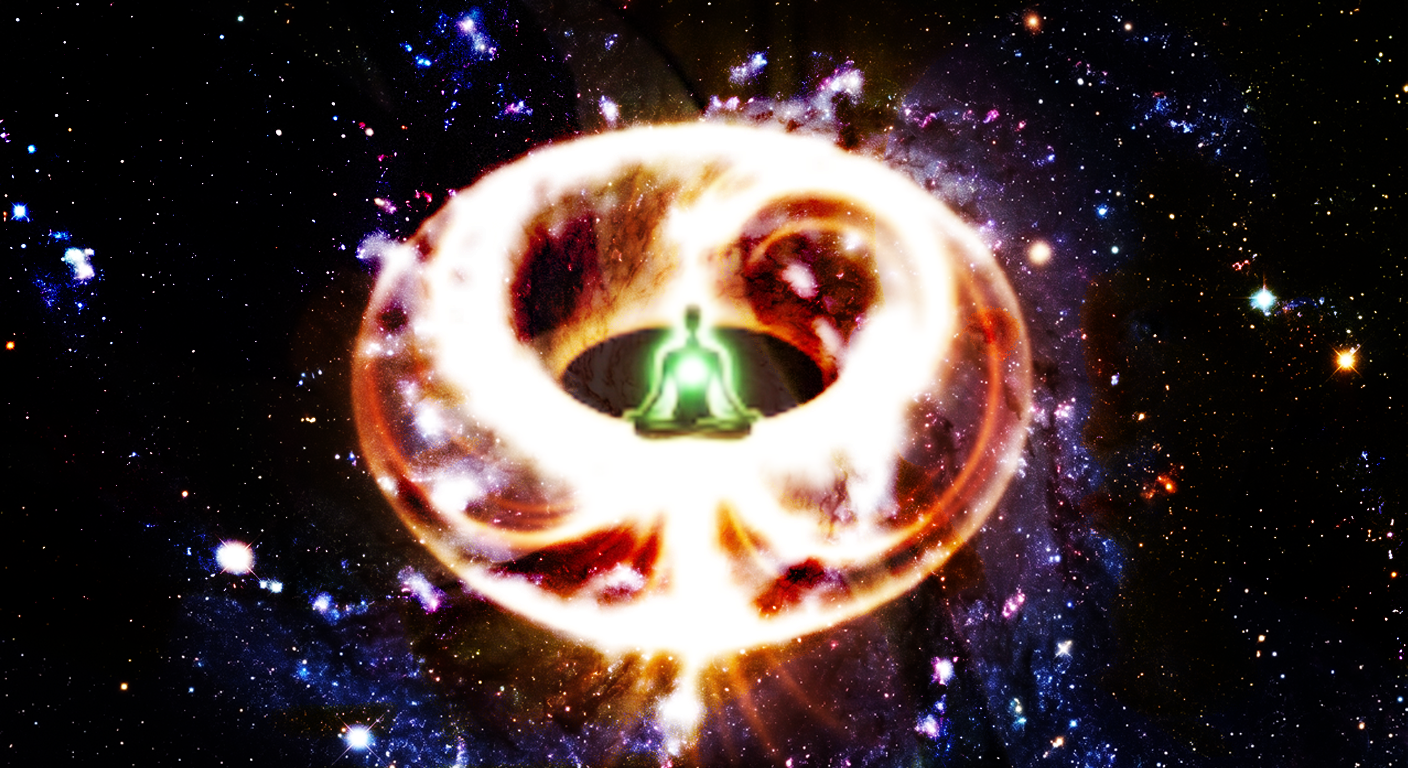
Why Does Presence Feel Different From Thinking About Presence?
Most of us were never explicitly told this. But serious inquiry — from quantum physics to twenty-five centuries of contemplative practice — keeps arriving at the same conclusion: you are not a spectator of reality. You are a participant in it.
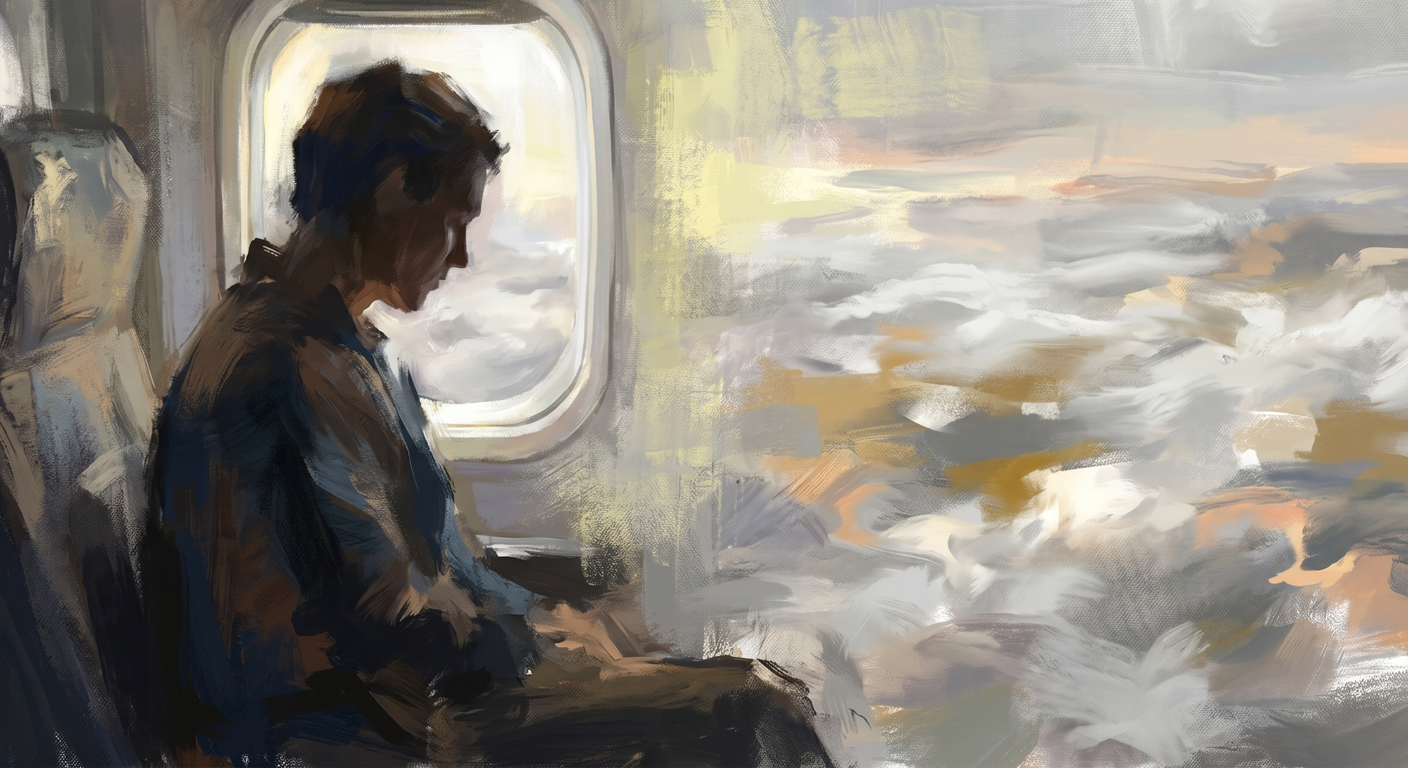
Both Sides Now: Joni Mitchell's Three-Lens Map of Reality
At twenty-three, Joni Mitchell looked down at clouds from a plane window and realized they looked nothing like they did from below. She landed with one of the most philosophically precise maps of human consciousness ever written — and didn't know it. Three verses. Three irreducible lenses on reality. And a final "I don't know" that isn't defeat. It's arrival.
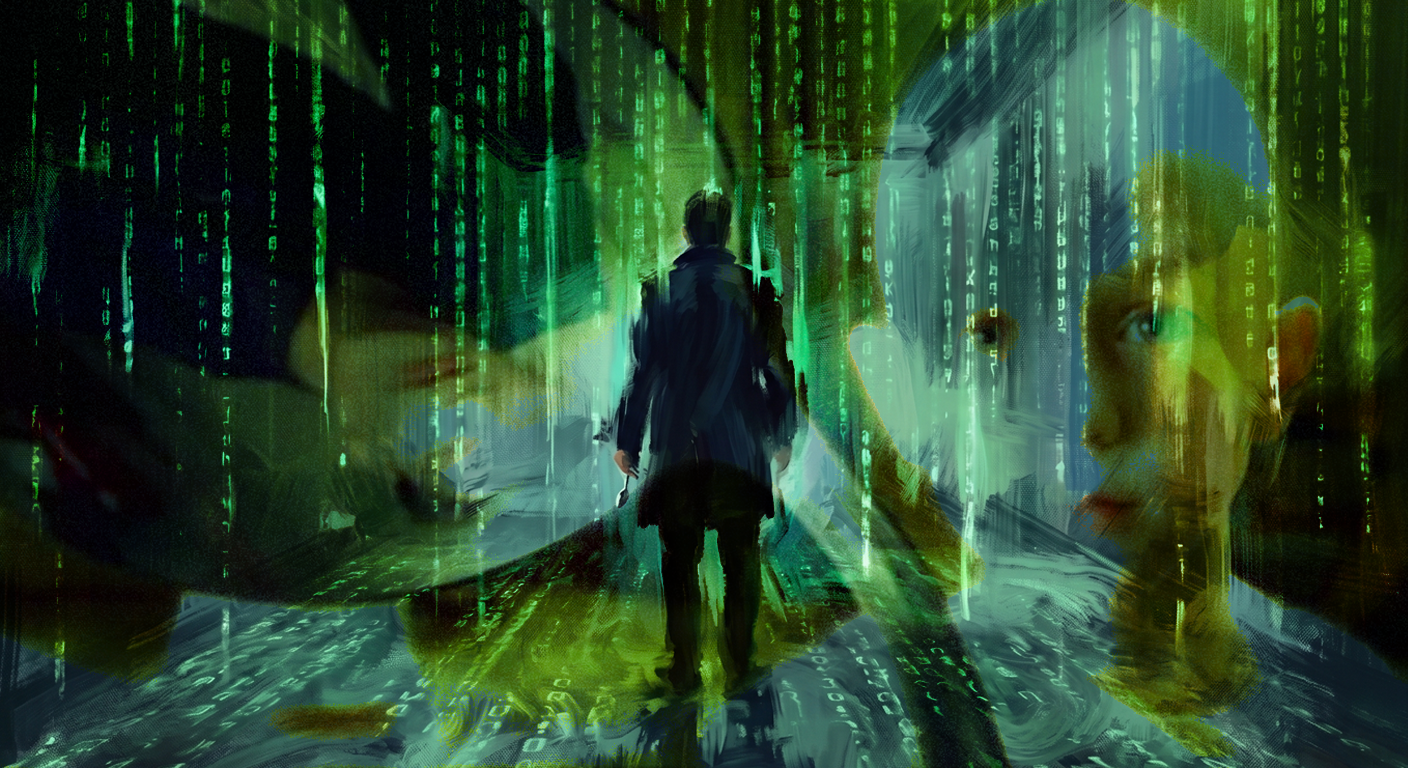
You Are the Observer-The Matrix as a Map of Participatory Reality
There is a scene early in The Matrix that most people remember as a cool philosophical moment and then move past. A child bends a spoon and offers what sounds like a Zen koan: "There is no spoon." Most readings miss the deeper claim. And missing it means missing what the Wachowskis were actually building.
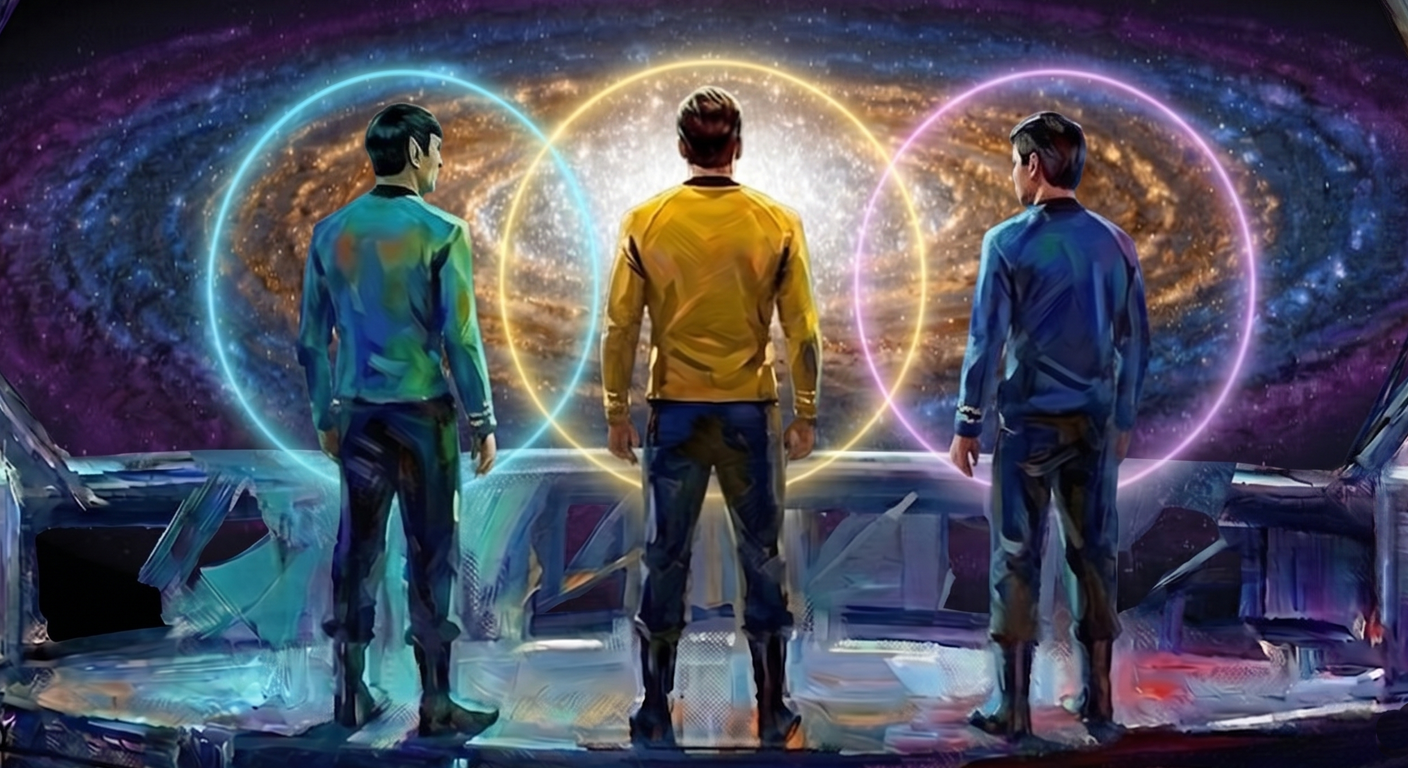
The Three Lenses on the Bridge: Kirk, Spock, and Bones as a Model of Integrated Consciousness
Gene Roddenberry created a lot of things when he created Star Trek. He created a vision of a future in which humanity had survived itself. He created some of the most durable science fiction characters in popular culture. And — almost certainly without intending to — he created one of the most precise dramatic illustrations of integrated consciousness ever put on screen.

The Coherence Trap: Screen Addiction Through the Lens of the Participatory Realism Framework
You already know what is happening. You have read the articles, watched the documentaries, perhaps even deleted the apps — for a while. You understand that the platforms are engineered to exploit your brain's reward circuitry, that the variable reinforcement schedule is the same mechanism that makes slot machines impossible to walk away from, that your attention is the product being sold. You know all of this.

The Spinning Top: Inception Through the Lens of the Participatory Realism Framework
Christopher Nolan ends Inception with a spinning top and a cut to black. The debate assumes that the film's central question is a question about reality — about which layer is genuine and which is constructed.
The Participatory Realism Framework suggests the debate has been asking the wrong question entirely.
From Description to Prediction: The Participatory Loop as Methodology
The Participatory Loop contains within it the architecture of a genuine predictive methodology — one the framework has not yet made explicit.